
Affordable Plunge Pools: Compare Options and Total Costs
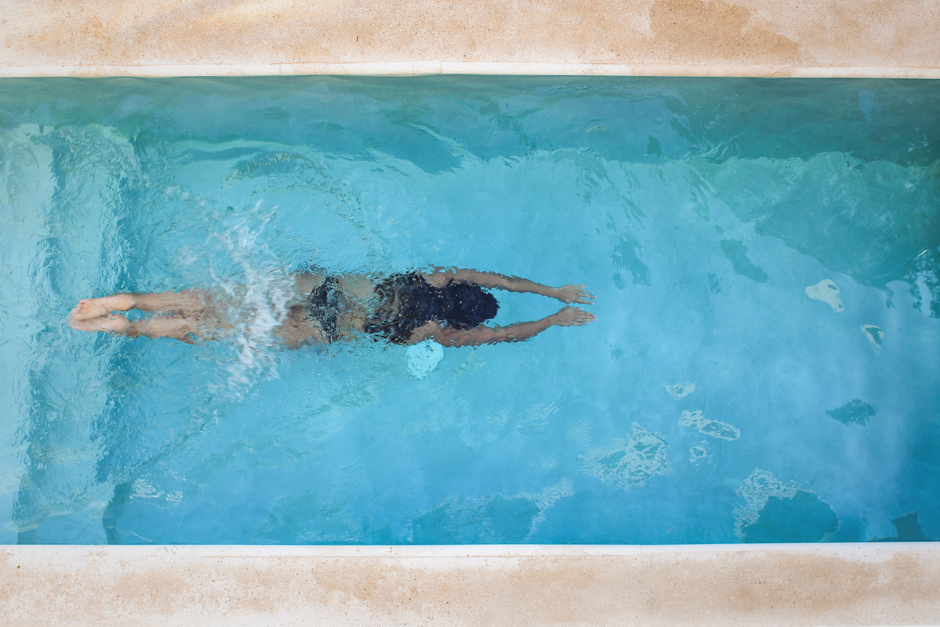
Affordable plunge pools can cost as little as $3,000 for an above-ground model, but that figure is not a dependable installed-project budget. HomeAdvisor reports a $28,000 average installed cost, with a typical range of $10,000–$40,000. Compare materials and installation scope, then add site work, delivery, permits, safety barriers, equipment, finishing, and ongoing maintenance before choosing.
What is the least expensive plunge pool?
The least expensive published plunge-pool option is an above-ground model, with HomeAdvisor estimating a range of $3,000–$30,000. That range is broad because pool size, materials, and installation scope differ; it is not a guarantee that a complete backyard project will land near the low end.
Vinyl is the lowest-cost material in The Spruce’s material comparison: $9,000–$15,000 for materials alone. HomeAdvisor estimates vinyl pools at $10,000–$30,000, fiberglass at $18,000–$55,000, and concrete at $20,000–$75,000. These figures use different scopes, so they should be treated as reference ranges rather than directly interchangeable bids.
Prefab shells can simplify some on-site construction, but the shell price does not settle the total. Plungie USA lists a shell at $25,000–$35,000 and a fully installed project at $42,000–$69,000 or more. Its components include freight, crane hire, excavation, footings, backfill, labor, equipment, plumbing, electrical work, and permits. Access is a cost variable: a crane may need to lift a shell over a house.
| Option | Who it suits | Published cost | Key limitation |
|---|---|---|---|
| Above-ground plunge pool | Buyers comparing the lowest published installation category | $3,000–$30,000 (HomeAdvisor) | Exact inclusions and project total are not published as a single figure. |
| Vinyl | Buyers prioritizing lower material cost | $9,000–$15,000 materials (The Spruce); $10,000–$30,000 (HomeAdvisor) | Liner replacement is generally needed every 5–10 years (The Spruce). |
| Fiberglass | Buyers comparing a shell-based material option | $18,000–$55,000 (HomeAdvisor); $8,500–$18,000 materials (The Spruce) | Site access can add labor and installation costs; no single installed total is published by material. |
| Concrete | Buyers comparing a custom-material option | $20,000–$75,000 (HomeAdvisor); $18,000–$29,000 materials (The Spruce) | Material and installed estimates differ in scope. |
| Prefab concrete shell | Buyers whose site can accommodate shell delivery and placement | $25,000–$35,000 shell; $42,000–$69,000+ installed (Plungie USA) | Crane reach, freight, and site access can materially affect the total. |
What is the average cost to build a plunge pool?
The average installed cost reported by HomeAdvisor is $28,000, with a stated typical range of $10,000–$40,000 and a wider range of $3,000–$75,000. The Spruce estimates $10,000–$30,000 overall. The gap is a useful warning: published averages depend on what is counted as the project and which pool types and sites are represented.
Build a complete estimate by asking for separate line items, not a single package total. HomeAdvisor estimates permits at $550–$3,100, excavation at $500–$3,000, regrading at $1,100–$3,300, and a concrete slab at $3,600–$7,200. The Spruce estimates excavation at about $2,500 on average and permits at $450–$2,500; tree or boulder removal, deeper excavation, and difficult access can add cost.
Prefab pricing illustrates why the smaller components matter. Plungie USA gives sample estimates of $3,000–$4,000 for permits, $9,000–$14,000 for excavation, footings, backfill, and labor, $3,000–$15,000 or more for crane hire, freight from $1,540, equipment from $3,600, plumbing from $2,000, and electrical and grounding from $2,800. These are the manufacturer’s example components, not a universal quote.
For a practical estimate, request line items for the pool or shell, excavation and ground preparation, delivery or crane access, electrical and plumbing, permits, fencing, and finishing such as patio and coping. Have each contractor state what is excluded and what assumptions they made about access and ground conditions. For context when comparing proposals, the same habit of checking scope rather than headline price applies to comparing proposals beyond price.
Are plunge pools worth the money?
Plunge pools are worth considering when their intended use and complete ownership cost fit the budget; the purchase price alone cannot answer the value question. For a fair comparison, combine the installed quote with predictable maintenance, energy use, and likely material-specific repairs.
Plungie USA estimates annual maintenance at about $980–$1,800 or more and notes that heating and equipment use add energy costs. HomeAdvisor estimates a heater plus installation at $1,800–$4,200, with monthly energy costs ranging from $10 to $850 depending on heater type. Those figures show why the heating system and intended use should be discussed before selecting a pool.
Material trade-offs also extend beyond installation. The Spruce says vinyl liners generally need replacement every 5–10 years. A lower initial materials estimate may therefore come with a recurring replacement expense; the sources do not provide a comparable lifetime cost for each material, so a precise long-term ranking is not available.
Safety and local requirements belong in the value calculation, not in a last-minute add-on. The U.S. Consumer Product Safety Commission recommends layers of protection, including a fence with self-closing, self-latching gates around pools. If the house forms one side of the barrier, it recommends door alarms or a power safety cover. The CPSC reports an average of 379 pool- or spa-related fatal drownings involving children younger than 15 each year; about 75 percent involve children younger than 5. Confirm local requirements and price the necessary barriers in advance.
How much does a 10x20 plunge pool cost?
The provided sources do not publish a specific price for a 10x20 plunge pool. Their estimates vary by material, installation type, and project scope, so applying a per-foot price to this size would create a figure the sources do not support.
Use the published ranges as a starting point, then request bids for the actual dimensions and site. Ask bidders to specify whether the price covers the pool, delivery, excavation, permits, equipment, electrical and plumbing, fencing, and finished surroundings. A 10x20 pool with difficult access or extra ground work may not compare with a quote based on simpler site assumptions; the sources identify these as potential cost factors but do not quantify a size-specific adjustment.
Compare each proposal against the same checklist: included work, excluded work, access and ground assumptions, permit responsibility, warranty coverage, equipment, and possible extras. For prefab pools, ask how freight and crane reach are priced; for any option, confirm whether fencing and finishing are in the total. A written, itemized comparison is more informative than a low advertised starting price.
Frequently Asked Questions
What costs are not included in a plunge pool's advertised price?
An advertised price may exclude excavation, delivery or crane hire, permits, electrical and plumbing work, equipment, fencing, and patio or coping. Ask the seller to identify every exclusion and to state the site and access assumptions behind the quote.
Is a prefab or above-ground plunge pool cheaper to install?
Above-ground pools have a lower published range in HomeAdvisor’s estimates, at $3,000–$30,000, compared with $10,000–$55,000 for in-ground installations. A prefab shell can still require substantial freight, crane, excavation, footing, plumbing, and electrical costs, so compare complete installed quotes rather than shell prices.
Can I save money by installing a plunge pool myself?
The provided sources do not publish a verified DIY savings figure or establish that self-installation is suitable for every pool type. DIY kits may reduce some labor charges, but permits, site preparation, electrical and plumbing work, and required safety barriers still need to be included in the budget.
Sources
Keep reading

Is an Inground Backyard Pool Worth the Money?
Use this practical framework to weigh an inground pool's installation, upkeep, safety, insurance, and resale trade-offs.

How Should You Compare Industrial Refrigeration Proposals Beyond Price?
A practical framework for comparing industrial refrigeration bids by installed cost, energy, service, downtime exposure, and verified performance.
Large Yard Mowing Solutions: Choose the Right Setup
Choose large-yard mowing solutions by matching acreage, terrain, obstacles, finish, and ownership time to the right equipment or service.

How Do I Find Funded European PhD Vacancies and Apply?
Find funded European PhD jobs, verify employment terms, and contact supervisors without bypassing formal applications.